

What’s the Real Cost of Executive Coaching?
Quick Summary
What’s the Real Cost of Executive Coaching? This guide is for executives, HR leaders, and organizations exploring the value, pricing, and ROl of leadership coaching.
- Explains what executive coaching is and why it goes beyond a simple budget line item
- Breaks down key cost factors: coach experience, session format, program scope, and assessment tools
- Compares pricing models: per-session, monthly retainers, and flat-fee coaching programs
- Highlights benefits: better decision-making, emotional intelligence, team alignment, and performance
- Emphasizes ROl: stronger leadership, lower turnover, and faster progress toward strategic goals
- Details coaching use cases for emerging leaders, senior executives, and full leadership teams
- Provides budgeting guidance: how to align coaching with outcomes and measure success
- Reinforces that high-quality coaching is personalized, measurable, and transformative
- Positions SparkEffect as a trusted coaching partner offering tailored programs backed by experience
Whether you’re supporting one leader or your full executive team, this article helps you invest wisely in coaching that delivers results.
Understanding the Value Behind the Numbers
Executive coaching is often positioned as an elite development resource, but its true value extends far beyond a line item in the budget. At its best, it’s a targeted, evidence-based approach to leadership development that supports personal and organizational transformation.
Yet, the cost of executive coaching can vary significantly depending on your goals, the structure of your coaching program, and the coach’s background. That’s why pricing should never be considered in isolation; it’s one part of a much broader strategy to build leadership effectiveness boost team performance, and drive business success.
What Determines Executive Coaching Costs?
Coaching fees can range anywhere from $250 to $1,200+ per session, with executive coaching engagements for senior leaders or C-suite executives often falling on the higher end of that scale.
But the executive coaching cost is shaped by several key factors:
1. Coach’s Experience and Qualifications
Highly experienced coaches with a proven track record, IC certification, and deep business acumen typically charge higher executive coaching rates. These qualified coaches bring specialized expertise, often developed through years of leading, advising, and coaching executives in complex environments.
2. Scope of the Coaching Engagement
The intensity and duration of a coaching engagement play a central role in cost. A 3-month sprint with six coaching sessions will have a significantly different price than a 12-month comprehensive coaching program, which includes assessments, 360-degree feedback, and ongoing support.
Longer coaching engagements tend to deliver deeper transformation and greater ROI.
3. Individual vs Group Coaching
Individual coaching sessions are typically priced higher than group coaching, but they allow for more tailored and strategic development. Group sessions may lower per-person cost while promoting cross-functional growth and shared leadership language within teams.
4. Delivery Format: In-Person or Virtual
Virtual coaching sessions offer flexibility and accessibility, often reducing travel-related expenses.
In contrast, in-person sessions may be bundled into corporate-level coaching packages that include on-site visits, team assessments, or facilitated off-sites.
5. Coaching Tools and Add-Ons
Use of tools like leadership assessments, emotional intelligence inventories, or progress tracking software may add to coaching fees, but they also enhance the coaching experience. These elements support measurable growth across leadership skills like decision-making, communication skills, and strategic thinking.
Making Sense of Executive Coaching Pricing Models
No two coaches or firms price their services in exactly the same way. Here’s how most executive coaching services structure their offerings:
Hourly or Per-Session Rates
A straightforward model that charges per individual coaching session, typically best for one-off coaching needs or short-term engagements.
Monthly or Retainer-Based Coaching Packages
A more integrated model that includes a defined number of sessions per month, email support, and optional check-ins. These coaching packages offer ongoing leadership development with flexible pacing.
Flat-Fee Executive Coaching Programs
Some organizations prefer to budget for a comprehensive coaching program with a clear scope and outcome, ideal for developing high-potential leaders, strengthening executive teams through major transitions, or building leadership bench strength across the organization.
Why the Right Executive Coach Is Worth the Investment
- It builds clarity in leader’s role, values, and goals
- It strengthens the ability to navigate complexity and change
- It enhances resilience, adaptability, and emotional intelligence
- It improves alignment between personal purpose and business priorities
- It helps leaders become better at giving feedback, resolving conflict, and motivating teams
Tailoring Coaching to Your Organization’s Needs
- Emerging leaders building foundational leadership skills
- Senior leaders navigating high-stakes decisions and visibility
- C-suite executives leading through disruption and innovation
- Executive teams aligning around culture, performance, and growth
What to Consider When Budgeting for Executive Coaching
- What are the key leadership challenges we’re facing right now?
- Do we need coaching for individuals, teams, or both?
- What outcomes do we want to see from this coaching engagement?
- How will we measure success-personally, professionally, and organizationally?
- What’s the cost of doing nothing?
Measuring ROI: Executive Coaching Worth the Cost
- Stronger decision-making in high-stakes moments
- Reduced executive turnover and the organizational disruption it causes
- Improved collaboration across business units
- Increased trust and transparency among leadership-critical factors since SparkEffect research shows an 8-point trust gap between leaders and employees
- Accelerated movement toward strategic goals
- Enhanced resilience during organizational change and crisis
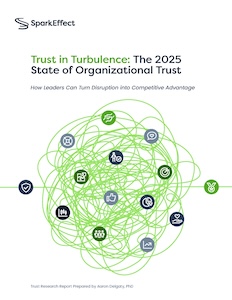
Discover the Trust Advantage: Download Our 2025 Research Report
High-trust organizations outperform low-trust companies by 51 points in financial performance. Our 2025 Trust Research Report reveals how leading organizations turn workplace disruptions into competitive advantages through proven frameworks.
Executive Coaching That Moves You Forward
Frequently Asked Questions
What factors influence executive coaching fees?
Coaching fees are shaped by the coach’s expertise, duration of the coaching engagement, delivery format (virtual or in-person), tools used (like leadership assessments), and whether the sessions are individual or group-based.
Is executive coaching worth the investment?
Yes. When aligned with strategic goals, executive coaching delivers measurable ROl through improved leadership effectiveness, better decision-making, team alignment, and long-term organizational performance. SparkEffect research shows that leadership instability directly impacts 68% of employees’ daily work effectiveness, making coaching investment in prevention crucial.
How do I choose the right executive coach?
Look for a coach with relevant experience, proven methodology, and alignment with your organization’s values. A good executive coach creates a successful coaching relationship rooted in trust, accountability, and action.
What's the difference between leadership coaching and executive coaching?
Leadership coaching often focuses on developing emerging or mid-level leaders, while executive coaching is tailored to senior leaders or C-suite executives facing complex challenges. Both strengthen critical leadership skills and support professional growth.
Can coaching be customized for executive teams?
Yes. Many organizations invest in executive coaching programs that support entire teams. This promotes alignment, shared language, and team-based strategic execution.
Do virtual coaching sessions cost less than in-person ones?
Virtual coaching sessions may offer cost efficiencies due to lower travel and logistics costs, but effectiveness often depends more on coaching quality and engagement style than format alone.
Are executive coaching costs covered by organizations?
In most cases, yes. Organizations invest in coaching as part of leadership development, succession planning, or performance improvement initiatives. Some also include coaching in their professional development or HR budgets.